Visiting Washington-on-the-Brazos From Our RV Park
The birthplace of Texas is a short drive from your campsite, and a little planning makes the visit a lot better.
October 17, 2026 · 4 min read
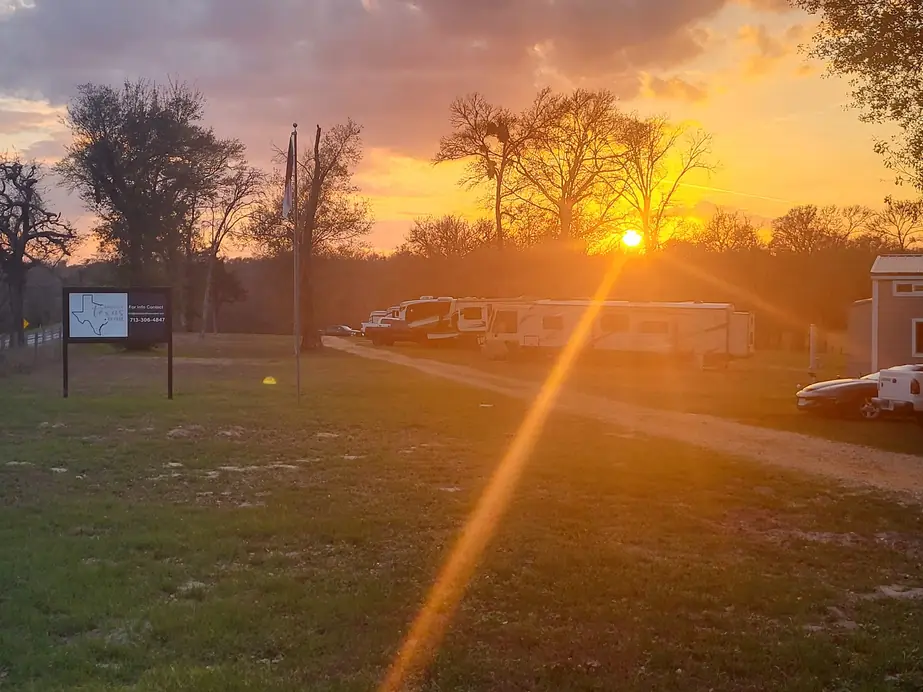
On March 2, 1836, delegates meeting at Washington-on-the-Brazos signed the Declaration of Texas Independence. That single document is why this stretch of Washington County carries so much weight in Texas history, and it is the reason our park is named what it is. From our pull-through sites on Highway 105, the Washington-on-the-Brazos State Historic Site is about a 10-minute drive.
If you are towing a trailer or driving a motorhome, that distance matters. You can park the rig, leave it hooked up, and spend a full day on the road to history without hitching up again.
Why the location works for an RV trip
A lot of historic sites sit at the end of a long drive from the nearest campground. This one does not. Our park sits between Navasota and Brenham on Highway 105, and the historic site is only minutes away. That means you can sleep in your own bed, cook breakfast in your own kitchen, and still arrive at the site fresh.
Before you go: check the basics
We are not the site's operators, so we will not guess at things we cannot know. Hours, admission, tour schedules, and which buildings are open can change with the season and with maintenance. The best habit is the simplest one: look up the current information for the Washington-on-the-Brazos State Historic Site before you leave, and confirm it the morning of your visit.
- Check the current operating hours and any posted closures.
- Ask about admission and any separate fees for individual areas.
- Find out whether the buildings and exhibits you care about are open that day.
- Look at the weather forecast, since much of a visit like this happens outdoors.
Plan the day around the weather
Texas weather does what it wants. Summer afternoons in Washington County get hot, and a historic site with open grounds offers limited shade at midday. If you are visiting in the warmer months, aim for the morning, break for lunch back at the rig or in town, and decide later whether you want a second round in the cooler part of the day.
Spring is a different story. Bluebonnet season draws people to this part of the state, and the rolling hills around the park look their best then. A visit to the historic site fits neatly into a spring day that also includes a slow drive along the country roads. Fall and winter bring milder temperatures, which makes walking the grounds far easier on kids, older travelers, and anyone with a dog back at camp.
What to bring
You do not need much, but a few things help. Comfortable walking shoes matter more than you would think, because a historic site means a lot of ground to cover. Bring water, sunscreen, and a hat even if the morning looks cool. A small daypack keeps your hands free for photos.
- Water bottles for everyone in your group.
- Sun protection: hat, sunscreen, sunglasses.
- Comfortable shoes you do not mind getting dusty.
- A phone or camera with room for plenty of photos.
- A light layer, since mornings and evenings can be cooler than midday.
If you travel with a leashed pet, ask before you go whether animals are allowed in the area you want to visit. Our park welcomes leashed pets, but a historic site may have its own rules, and it is better to know in advance than to be turned around at the entrance.
Take your time with the history
The temptation on a road trip is to treat a historic site like a checklist item: walk in, snap a picture, walk out. This place rewards slowing down. The story of 1836 is bigger than a single document, and standing where delegates met to decide the future of Texas gives the dates in a school textbook a different weight.
If you have kids along, give them a job: find one detail they think is interesting and report on it over dinner.
Build a second stop into the day
Because the historic site is so close to the park, you have room in the schedule for something else. Brenham is nearby and has its own historic sites and local attractions. A lot of guests pair the morning at Washington-on-the-Brazos with an afternoon in town, then head back to the park for a quiet evening.
That rhythm, history in the morning, a little exploring after lunch, a calm evening at camp, is one of the real advantages of staying close instead of driving in from a larger city. You are not racing a clock to get back to a hotel. You can sit outside your rig as the light changes over the hills and let the day settle.
Getting back to camp
After a full day of walking, there is something satisfying about pulling back into a pull-through site, plugging in, and putting your feet up.
Every site has water, sewer, and 30 and 50 amp electrical hookups, so you can start the air conditioning, run a shower, or cook dinner without a second thought. If you need laundry done after a few days on the road, we have an on-site washateria.
Ready to plan your stay?
If Washington-on-the-Brazos is on your list, we would be glad to be your base. Call us at (713) 306-4847 or send a reservation request through our contact page with your rig type, party size, and dates. We will help you find a site that fits.
Birthplace of Texas RV Park, (713) 306-4847
Call (713) 306-4847More articles
30 Amp vs 50 Amp RV Hookups, Explained
Every site at our park offers both, so here is what the numbers mean and how to plug in with confidence.
Why Pull-Through Sites Matter for Big Rigs
Backing a forty-foot rig into a tight spot is nobody's idea of a good evening, and every site here lets you skip it.